- Questions? (801) 930 5821

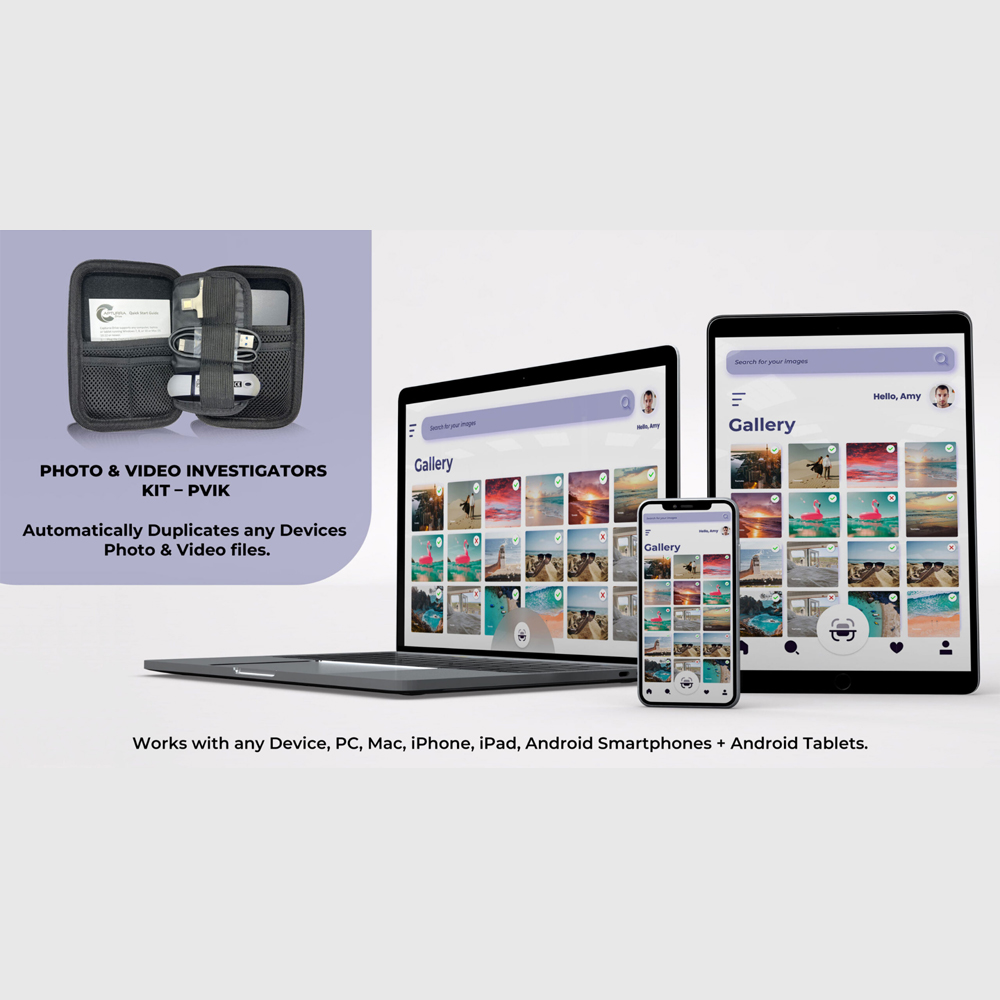
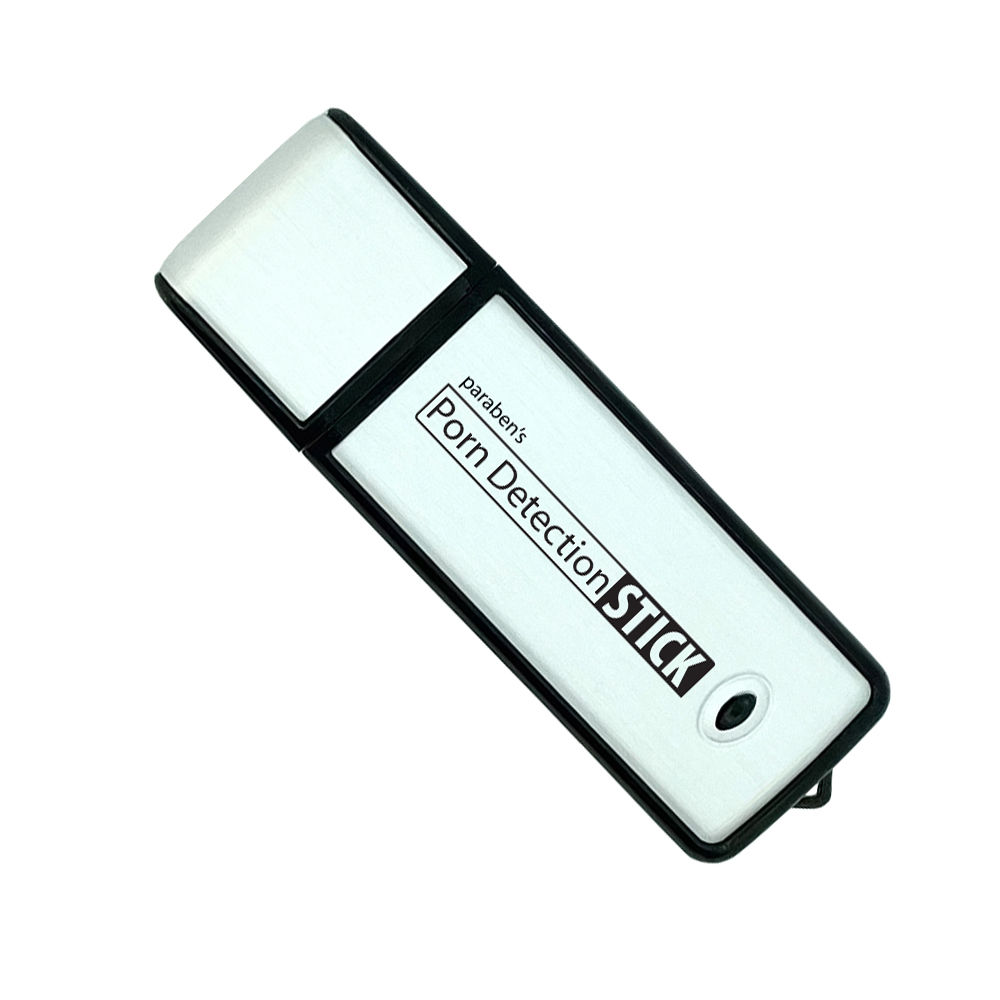
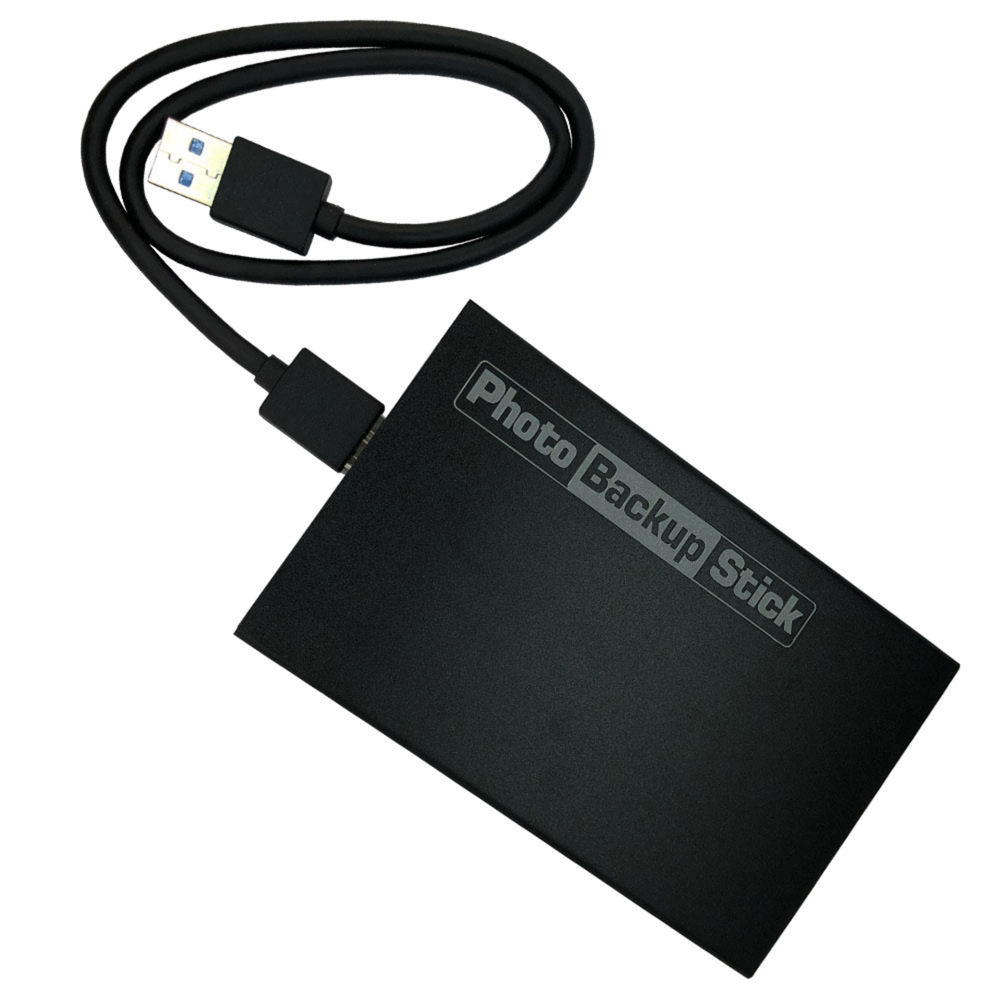
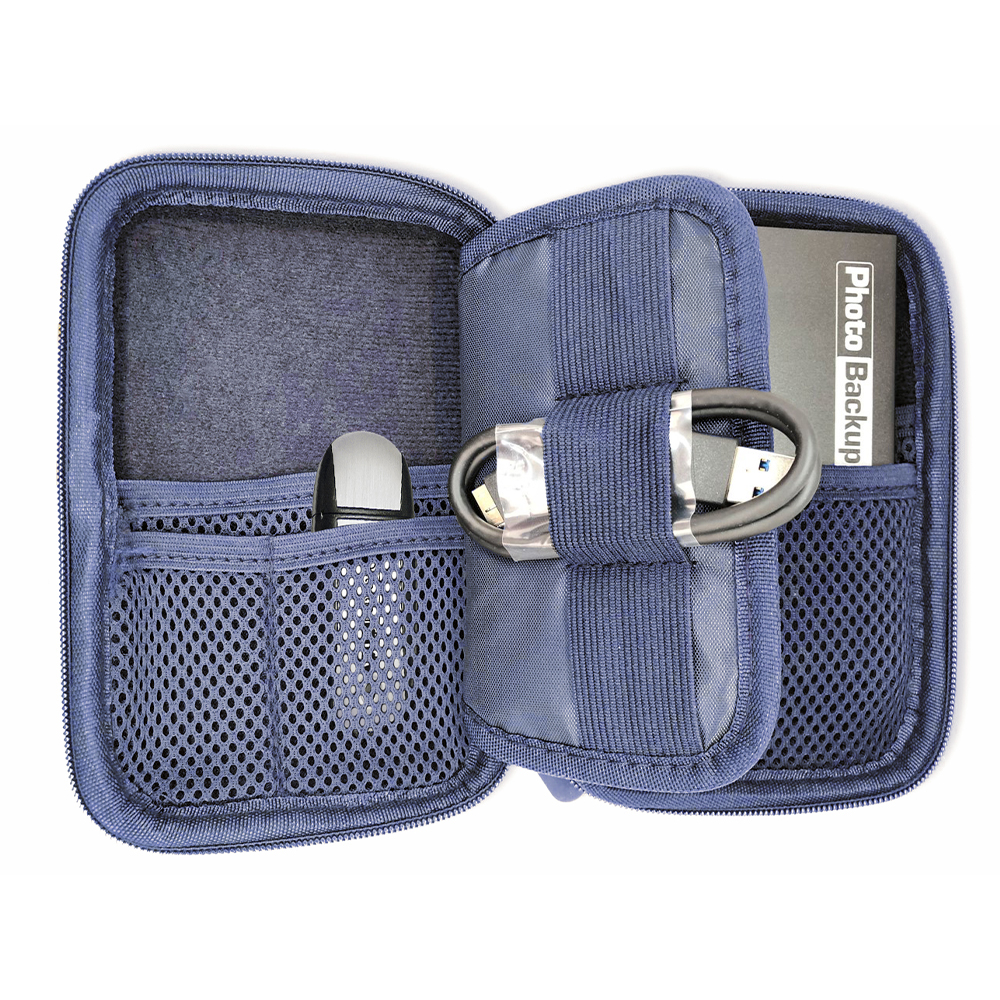
Photo & Video Investigation Kit – Unlimited Use
MAP-PRICE: $269.00
Clone Photos & Videos on virtually any digital device including iPhone & Android Phones & Tablets and Windows & Mac Computers.
Automatically clone any devices images and video contents, duplicate all content, and take away for inspection.
Store thousands of images or over 100 hours of video on the 1TB Portable hard drive.
Used by Investigation agencies, IT Security professionals and Law Enforcement.
Special Law Enforcement versions available upon request.
SKU
PBN-PVIK
Category Digital Investigation Software
Tags 1TB, Capturra, Digital Investigations, Duplicator, illicit, Image, Photo, PI, Social Media, Video
15 YEARS IN BUSINESS
Trusted by Hundreds of clients domestically and internationally.
NO MINIMUM ORDER
What you need when you need it.
US BASED SUPPORT
Support hours:
Monday to Friday
9AM-5PM MST
SAME DAY SHIPPING IN NORTH AMERICA
Orders received by 1PM MST go out the same day for all US clients.
All Orders ship from our Head Office location in Draper, Utah
MAP PRICING
PBN-TEC adopt a strict MAP pricing policy
Image & Video usage has surged in the last 5 years and new social media platforms such as Tik Tok and Instagram have made Image and Video Content a mainstream communication method.
Capture Image and Video content from any Device
Photo & Video Investigation Kit can be used by Investigators on all types of digital devices including iPhone and Android Cell Phones and all Computers including Windows and Mac.
Once you connect the target device and the PVIK 1TB drive to any computer, users can just point the software at the target devices storage system on the computer and the PVIK will begin automatically duplicating all image and video content on the device.
Clone & Backup Thousands of Images over 100 Hours of Video
The PVIK drive can store upto 200k images or upto 100 hours of video footage, all content duplicated onto the PVIK drive is intuitively checked for duplicates, this ensures no duplicated data is saved on the PVIK.
Easy to use – Point & Clone Content
PVIK is very easy to use, an Investigator only needs to connect the target devices to the same computer and point the software at the target devices folder, the software will then automatically begin duplicating content, once the process is complete, users can take disconnect the PVIK and they no longer need access to the target device.
Intuitive Software with Unlimited Use
The PVIK creates a file folder for every device it targets, this ensures duplicated content is saved into its own folder and will not be mixed with any other content duplicated from a different device.
PBN-PVIK provides Investigators with an unlimited use, kit with free updates for life, use the PVIK to conduct Image, Video Data Extractions, and take your cases Digital.
See the table below to see examples of each tools use:
| Investigation Tools and Accessories | Investigative Uses |
| Capturra 1TB Smart Drive | Automatically Duplicate Photo & Video Content from virtually any device. Dual Function – Use for Case File Creations |
| Porn Detection Stick USB Software | Process Digital Devices for illicit Content
Cross Examine Content from Capturra Processing top optimize compatibility and usage |
| USB Connectivity Cable | Connection cable to connect Devices to computer and process target devices |
| Manual | Detailed Manual – English |
| Hard-shell storage Case | Hard Shell Compartmentalized Storage Case |
User Groups & Pro-Tips
The Photo & Video Investigation Kit was originally designed for Special Victims units and Child Exploitation officers, the system is used to duplicate content off a hard drive or cell phone operating system for evidentiary purposes.
Photo & Video Investigations are conducted by many types of user groups for a variety of reasons, below is a brief of how the PVIK is used by some industries below:
- Investigation Agencies
The Investigation Industry benefits most from the PBN-PVIK due to be continued unlimited use and free updates for life provided with all tools inside the kit.
The ability to take a case into a digital sphere and uncover new lines of inquiry is an option no PI Agency can overlook, Cell Phones and Digital devices contain more pedigree information and user behavior data inside them, than a person’s home.
Image and video content is often the first place an Investigator can look when conducting a digital investigation, the automatic collation ensures this once time intensive task, can be completed automatically very quickly, collated files can also then be taken away for review.
The whole process used ensures no trace is left of the duplication on the target device.
- Corporations & Organizations
Workplace Investigations and staff conduct auditing are common reasons why the PVIK has become so widely within organizations, image and video content is regularly shared between employees for personal and professional reasons.
In some cases, shared content between employees can reveal internal issues between a work force, workplace bullying and unethical use of company systems being some of the more common reasons why an organization uses the PVIK.
Process Any Digital Device using the Photo & Video Investigation Kit
PVIK is a universal system which can automatically duplicate content from virtually any Digital device.
If the target device can connect to a Windows or Mac Computer, the PVIK can gain access to the device and copy its whole operating system for images and videos.
Clone Images & Videos from any Cell Phone
A cell phone operating system has its own image directories but also inside a cell phone are many other image directories inside the Apps that are installed on the cell phone.
In addition, other areas where images may reside include, cache file directories and cloud-based image directories such as iCloud on an iPhone.
PVIK has the ability to scan and duplicate any image and video directories it finds on a cell phone.
Save Hundreds of man hours using the PVIK system
The automatic processing of devices saves an investigator countless man hours as it is automatically locating where the images and videos are and duplicating their content.
Illicit Image Cross referencing tool Included
Porn Detection Scanner – Windows OS Only
Once users have acquired data onto the 1TB drive in the PVIK, users have the option of scanning the contents with the included illicit image software.
This 2 step process is recommended and widely used by Investigators as the PVIK Software is multi compatible.
Users who process a device such as a Mac computer, can clone the data onto the Capturra and then process the data using the illicit imaging scanner.
The illicit image scanning tool has been widely used by Law Enforcement for many years, the software searches using SPR – Skin Pigment recognition and records all images which are potentially illicit.
The illicit image scanning tool has a blur feature on top of the discovered images, users can hover over the image to reveal its full visual.
PBN-TEC supplies many Department of Correct facilities with enhanced versions of the PVIK with the ability to delete content and other important features.
Requirements & FAQ
Requirements:
Capturra 1TB Portable Smart Drive
The Capturra drive runs on Windows 7, 8, or 10, 11 as well as Mac OS 10.12 or newer.
Porn Detection Stick
- Works on any storage media formatted as FAT or NTFS
- System Compatibility: Windows Vista, Windows 7, Windows 8, or Windows 10 & 11
- 1.33 GHz Processor, 1 GB RAM, 200 MB Hard Drive Space
FAQ
Yes
Based on each image being approximately 3MB, most phone images are this size, the drive can store over 200k images.
Over 160 hours of HD footage can be stored on the 1TB Drive.
Unlimited, free for life with automatic updates
More Questions?
Email us at sales@paraben-consumer.com